Gas vs Electric Ranges: How to Pick the Right Cooktop
Gas ranges: instant, visible heat
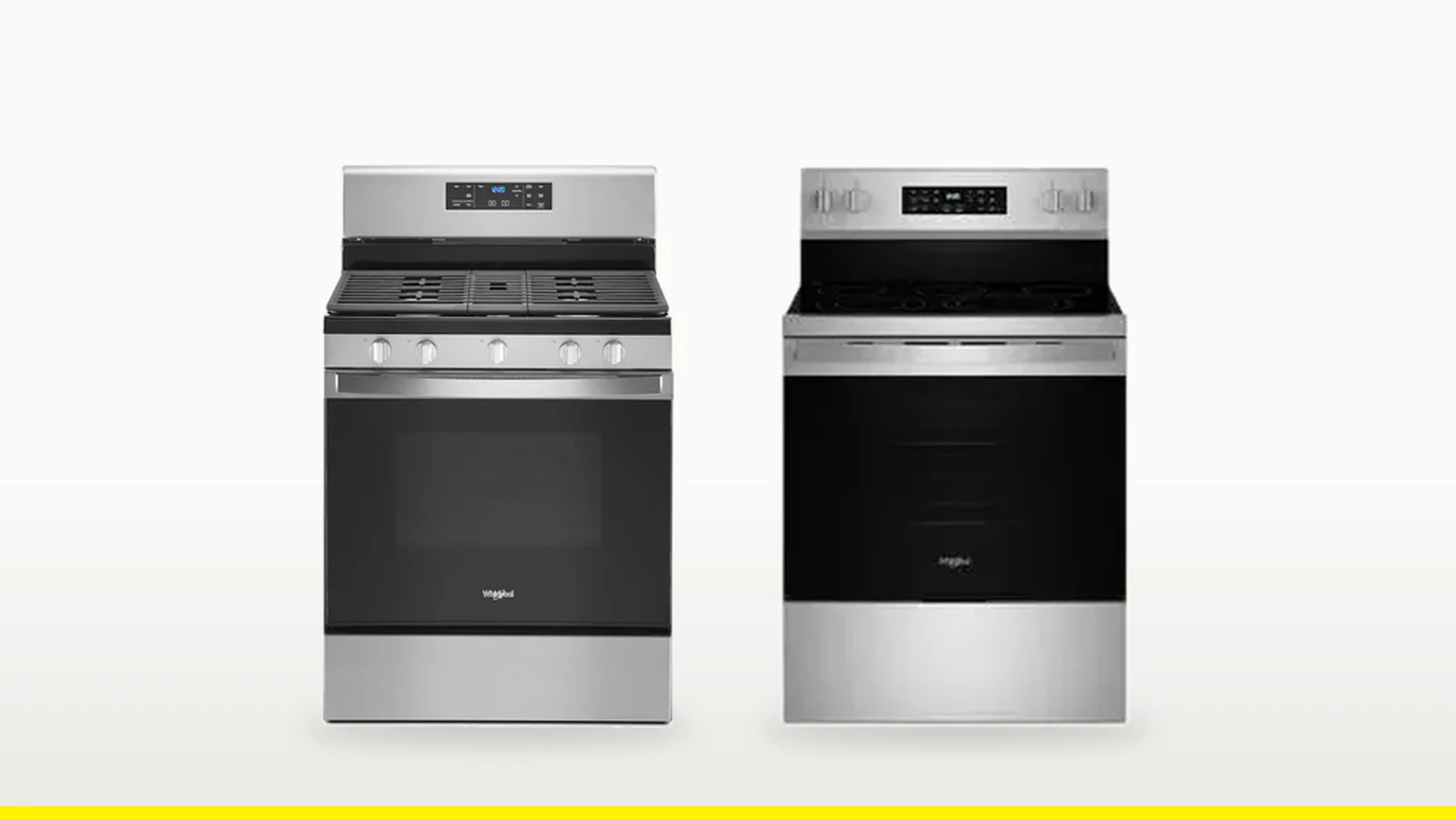
Gas burners respond the moment you turn the knob and let you see the flame, which many cooks prefer for searing, sautéing and simmering. You'll need an existing gas line — or the cost of running one — to install a gas range.
Electric ranges: even, easy baking
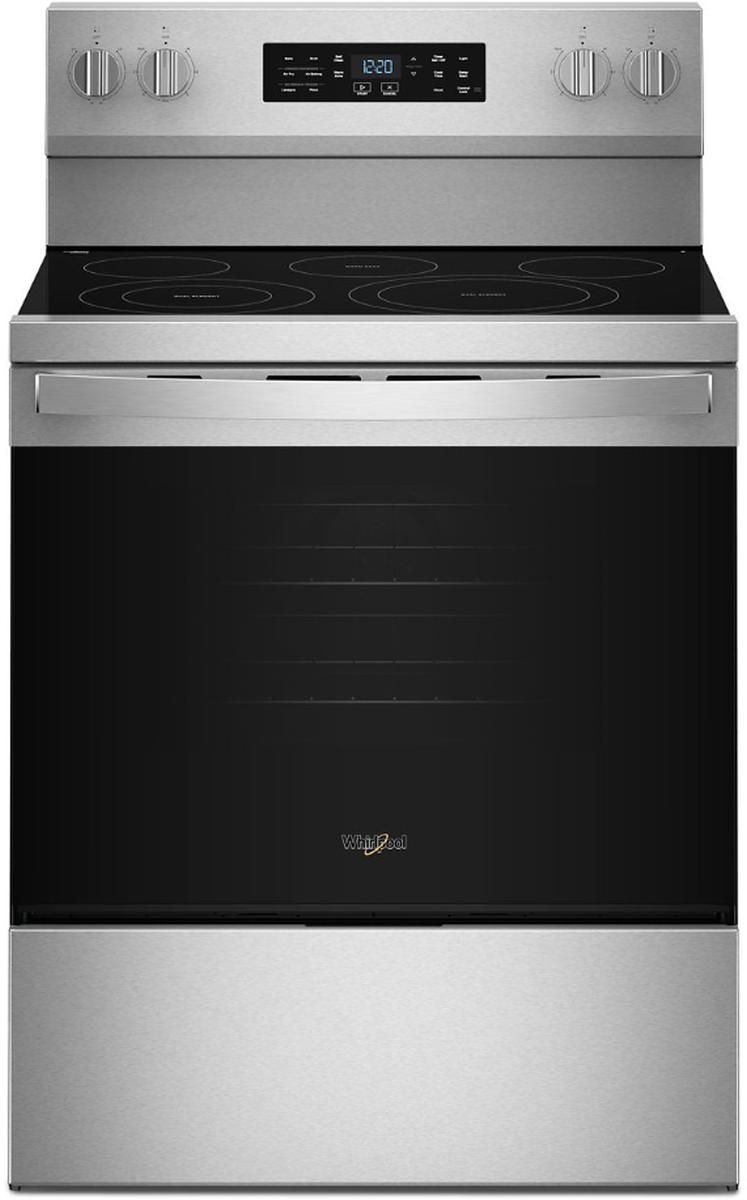
Smooth-top electric ranges heat evenly and are a breeze to wipe clean. Their steady, consistent oven heat is ideal for baking. They only need a 240-volt outlet, making installation simple in most homes.
Induction: the best of both
Induction cooktops use magnetic energy to heat the pan directly — faster than gas, more precise than electric, and cool to the touch around the pan. They require induction-compatible (magnetic) cookware.
Running cost and installation
Natural gas is often cheaper to run where available, while electric and induction avoid the cost of gas-line work. Factor in what your kitchen is already wired or piped for before you decide.
The bottom line
Pick gas for hands-on flame control, electric for simple installation and even baking, or induction for speed and safety. See all three at an Appliance Direct showroom and compare in person.
Shop the Models in This Guide
In stock now - add to cart in one tap.